Buying Near Top-Rated Schools: Is It Worth the Premium?
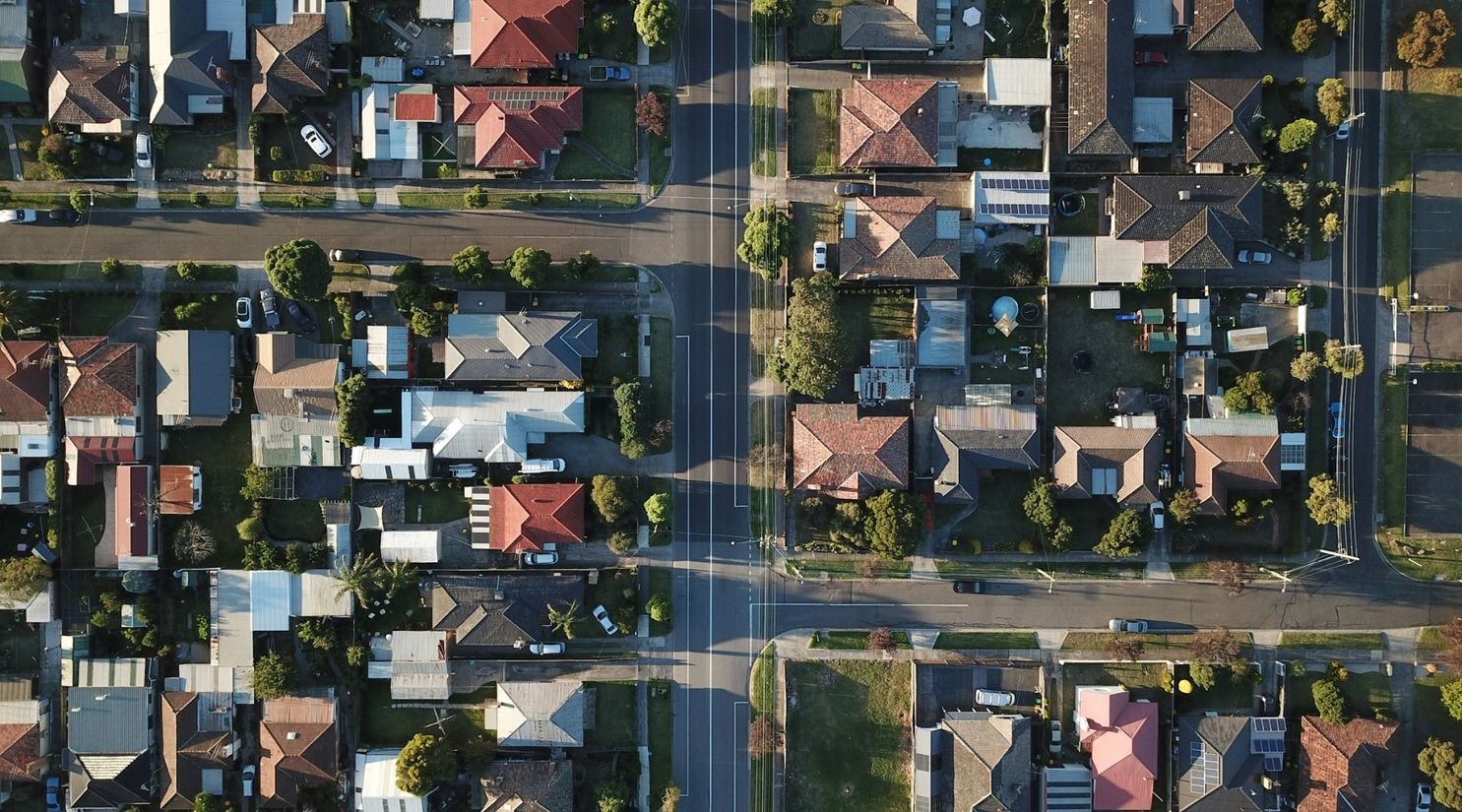
If you’re buying near top-rated schools, you’ve probably noticed that homes in these districts often come with a higher price tag.
Whether it’s a highly ranked elementary school in Irvine, a sought-after district in South Pasadena, or a strong high school in North Orange County, families run into the same question:
Is it really worth paying more to live in a top school zone?
Let’s walk through why these areas cost more, the financial and lifestyle trade-offs, and how to decide if paying that premium lines up with your goals.
Why Top-Rated School Districts Are So Popular
Why School Ratings Matter to Buyers
For many buyers, school quality is as important as square footage or commute time. Ratings on school-review sites are shorthand for things like:
- Academic performance and test scores
- Teacher quality and stability
- College or career readiness
- Overall student success and support
Parents often see highly rated districts as a way to give their kids more opportunity without paying private-school tuition. Even buyers without children know future buyers will care, which helps protect resale value.
Common Traits of High-Performing Schools
Top-rated schools often share similar characteristics:
- Robust academic and advanced coursework options
- Lower student-to-teacher ratios
- Clean, well-maintained campuses
- Highly involved parent communities and active PTAs
- Strong sports, arts, clubs, and enrichment programs
All of this makes the surrounding neighborhoods feel desirable — even if you don’t have school-aged kids yet.
Understanding the “School District Premium”
How Much More Do Homes Cost?
One of the biggest questions buyers ask when buying near top-rated schools is whether the higher purchase price will pay off in long-term appreciation and resale value.
Exact numbers vary by neighborhood and market cycle, but it’s common to see homes in top school zones sell significantly higher than similar homes in average districts.
In some metro areas, studies have shown that homes in top-rated districts can sell for 15–30% more, and in especially competitive pockets, the difference can be even larger. That premium is what you’re weighing when you choose between two similar homes in different school zones.
Why Prices Are Higher
Several factors push up values around top-performing schools:
- Consistent demand
Families actively search by school zone, not just by zip code. That extra demand supports higher prices. - Limited inventory
Many of these neighborhoods are established, with owners who stay long term. Fewer homes for sale plus
many motivated buyers means higher sale prices. - Neighborhood safety and amenities
High-performing districts often sit in areas with lower crime rates, parks, libraries, and family-friendly
amenities. Buyers are paying for the overall lifestyle, not just the school name. - Perceived stability
Even during slow markets, homes near strong schools tend to hold value better and sell faster, which reassures
buyers and keeps the premium in place.
Financial Pros and Cons of Buying Near Top-Rated Schools
Potential Financial Upsides
- Stronger appreciation over time
Historically, homes in top school zones tend to:- Appreciate more steadily
- Hold their value better during downturns
- Attract solid offers when the market cools
- Resale advantage
When you decide to sell, you’re not just marketing your home — you’re marketing the school district. That often means:- More showings
- Shorter days on market
- A larger pool of interested buyers
- Attractive for renters
If you ever convert the home to a rental, families looking for good schools may be willing to pay more in rent,
helping support your long-term investment.
The Cost Side: What You’re Taking On
- Higher purchase price and monthly payment
The premium shows up in:- Larger down payment
- Higher principal and interest payments
- Bigger property tax bill each year
- Higher ongoing expenses
In some cities, strong school zones may also come with:- Special assessments or Mello-Roos in newer communities
- Higher HOA dues to maintain neighborhood standards
- Slightly higher utilities or maintenance expectations
- Opportunity cost
Money tied up in a more expensive home could otherwise be used for:- Investments
- Retirement savings
- Travel or other lifestyle goals
- Private school tuition in a less expensive neighborhood
Lifestyle Benefits of Living Near Great Schools
Shorter School Commutes & Better Routines
Living close to your child’s school can mean:
- Walking or biking instead of sitting in traffic
- Less time shuttling back and forth
- Easier participation in after-school activities
That can add up to more free time, less stress, and smoother weekday routines.
Community, Stability, and Involvement
High-performing school areas often have:
- Long-term residents who know their neighbors
- Strong PTA or parent volunteer culture
- Neighborhood gatherings, sports leagues, and local events
For many families, that sense of community and stability is a huge part of why the premium feels worth it.
Drawbacks and Trade-Offs to Consider
Fierce Competition and Limited Inventory
Because demand is high and turnover is low, you may face:
- Multiple-offer situations
- Homes selling quickly with few days on market
- Fewer choices in your price range
You might end up compromising on size, layout, or upgrades just to stay in the “right” zone.
Smaller Home or Longer Commute
To stay in budget within a top school district, buyers often:
- Choose a smaller home or lot than they’d get elsewhere
- Accept older finishes and plan to renovate over time
- Tolerate a longer commute to work if the best schools aren’t near their job centers
It’s worth asking: Does the location for school outweigh those daily trade-offs?
Traffic and Congestion Around Schools
Living near a popular school can also mean heavier traffic during drop-off and pick-up hours. Streets may be
busier at specific times of day, which is something to factor into your decision.
Risk of Boundary Changes
School districts can redraw attendance boundaries. While it doesn’t happen constantly, plans do change over time.
That means:
- A home currently zoned for a specific top-rated school could be reassigned
- New developments can shift enrollment and crowding
If school zoning is your only reason for paying a big premium, this potential risk is important to keep in mind.
Rent vs. Buy in a Top School Area
If the premium feels steep, another strategy is to rent in a top school area and buy elsewhere.
Renting in a strong district may:
- Give your kids access to the schools you want
- Keep you more flexible if your job or life situation changes
- Allow time to decide which neighborhood you truly like before buying
Buying in that same area may be better if:
- You plan to stay at least 5-7+ years
- You want to build equity rather than pay rising rent
- You value long-term stability in one school community
In Los Angeles and Orange County, where both rents and prices can be high, this is a conversation to have with your lender,
tax professional, and agent so you understand the full picture.
How to Judge Schools Beyond a Simple Rating
Use school research tools such as GreatSchools.org and Niche to compare ratings, reviews, and school trends over time. Numbers on a website are a starting point, not the full story. If you’re paying a premium, you’ll want to dig deeper.
Consider:
- Multiple sources
Look at academic performance, graduation rates, college readiness, and student-teacher ratios across more than
one site. - Campus visits
Tour the school, attend an information night, or go to a public event. Notice how administrators, teachers,
and students interact. - Parent and student feedback
Talk with families who actually attend the school. Ask about homework load, support services, social environment,
and communication. - Programs that matter to your child
Some schools excel in STEM, others in arts, language immersion, or special education support. A “10/10 school”
on paper might not be the best fit for your kid’s specific needs. - Long-term trends, not just one year
Look at how the school has performed over several years. A consistent track record can be more meaningful than
a single year spike or dip.
When Buying Near Top-Rated Schools Can Make Sense
Buying in a top-rated school zones often makes the most sense when:
- You have (or plan to have) children who will attend the local schools
- You’re planning to stay in the home for 5–10 years or more
- You can comfortably afford the payment, taxes, and upkeep
- You value a stable, family-oriented community and strong resale prospects
In this scenario, the combination of lifestyle benefits plus potential long-term appreciation can justify the
higher upfront cost.
When You Might Want to Think Twice
Paying the premium may not be your best move if:
- You don’t have kids and don’t expect to in the future
- The higher payment would stretch your budget or create financial stress
- You’re buying primarily as a rental investment and cash flow is tight
- You value space, privacy, or a shorter commute more than a specific district
In those cases, a solid — but not headline-famous — school area might give you better overall value.
Smart Strategies for Buyers
To strike the right balance between schools and affordability:
- Consider “rising” school areas
Neighborhoods where schools are improving (but not yet top-priced) can offer better value and upside potential. - Look for good, not just “perfect”
The difference between a top-rated school and an above-average one might not justify a huge price gap. - Search just outside the hottest boundaries
Sometimes moving a few blocks beyond the most coveted zone gets you a larger or newer home with only a small
difference in school options. - Plan to improve the house over time
You might buy a cosmetically dated home in a strong district, then update it as your budget allows.
Quick FAQs About Buying Near Top-Rated Schools
Do prices always go up near top-rated schools?
Not every year, but over the long term, these areas often show steadier appreciation than average school zones because demand remains strong.
Are schools the only thing that affects home value?
No. Commute, neighborhood safety, local amenities, lot size, and condition all play big roles. Schools are a major factor — but not the only one.
Should I buy in a top district even if I don’t have kids?
Possibly. Many buyers do this for future resale appeal, but it still has to fit your budget and lifestyle priorities.
Are property taxes usually higher in strong school districts?
Often yes, especially where schools are heavily funded by local taxes or special assessments. It’s important to factor this into your monthly cost.
Do renters care about school districts?
Many do, especially families. Good schools can support stronger rental demand and lower vacancy, which matters if you might rent the home later.
So… Is Buying Near Top-Rated Schools Worth the Premium for You?
Buying near a top-rated school can be a powerful long-term move—financially and for your family’s day-to-day life. But it’s not automatically the right choice for everyone.
To decide if it’s worth the premium:
- Clarify your timeline (how long you’ll stay)
- Be honest about your budget and comfort level
- Weigh school quality against commute, space, lifestyle, and flexibility
- Look at the big picture, not just one rating number
When your finances, family needs, and neighborhood all align, paying extra to live near a top-rated school can absolutely be worth it. If they don’t, there may be a better-balanced option just a few miles away.
Before you decide whether buying near top-rated schools is worth the premium, make sure you understand your full budget. Our mortgage calculator can help you run the numbers.
What are the high-rated school districts
Based on recent rankings (Niche/A or A+ overall grades, plus other local sources), these districts are commonly considered strong in each county:
Find Homes in Top-Rated School Districts Using Our Search Tool
If you’d like to see homes in top-rated school districts, you can use our home search tool to narrow everything down by district.
Go to 👉 https://www.trimarkrealty.com/home-search/
Once you’re there:
- Click on the “Filters” button.
- Under Location, select “School District”.
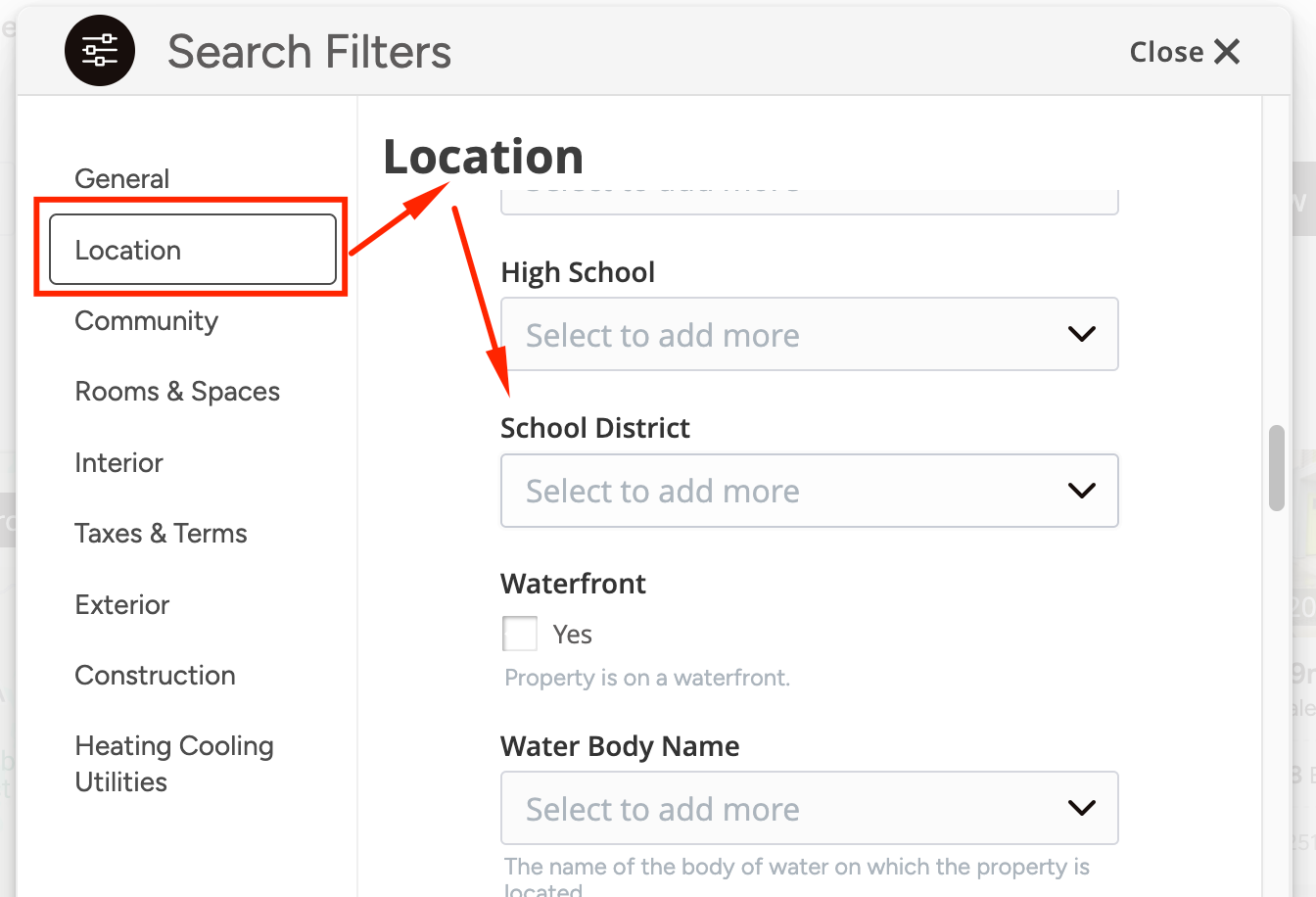
- Choose the school district you’re interested in to instantly see available homes in that area.