
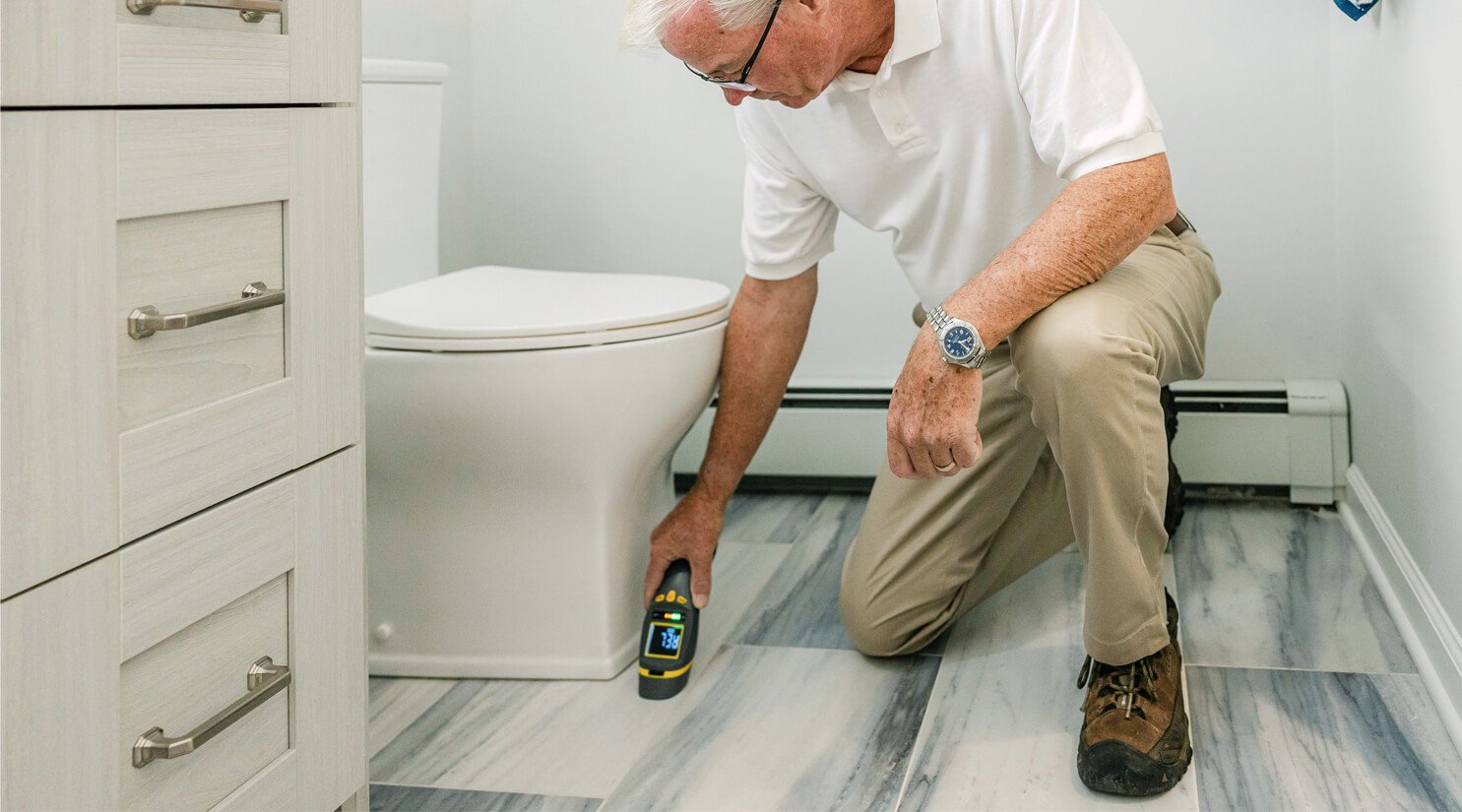
Buying or selling a home is one of the biggest financial decisions you’ll ever make. One of the most critical steps in the process is the home inspection. Whether you’re a first-time buyer or preparing to list your property, understanding how a home inspection works can help you avoid costly surprises and negotiate with confidence. In this guide, we’ll break down what a home inspection is, what it covers, common issues found, and how both buyers and sellers can prepare.
What Is a Home Inspection?
A home inspection is a professional evaluation of a property’s condition, typically conducted after a purchase agreement is signed but before closing. A licensed home inspector assesses the home’s major systems and structural components to identify safety issues, defects, or needed repairs. A typical home inspection report includes detailed findings about:
- Roof condition
- HVAC systems
- Plumbing and electrical systems
- Foundation and structure
- Windows and doors
- Insulation and ventilation
- Built-in appliances
The goal is not to “pass or fail” the house, but to provide a clear picture of its current condition.
Why a Home Inspection Is Important for Buyers
1. Identify Major Issues
A professional house inspection can uncover hidden problems such as foundation cracks, roof leaks, outdated wiring, or plumbing concerns that may not be visible during a showing.
2. Negotiate Repairs or Credits
If issues are found, buyers can request repairs, ask for a credit, or renegotiate the purchase price based on the inspection findings.
3. Plan for Future Maintenance
Even if no major problems are discovered, the inspection report helps buyers prepare for future maintenance costs and prioritize upgrades. In competitive markets, some buyers consider waiving inspections to strengthen their offer. However, this carries significant risk and should be carefully evaluated with your real estate professional.
Why a Home Inspection Matters for Sellers
Pre-Listing Home Inspection
Some homeowners choose to complete a pre-listing home inspection before putting their property on the market. This allows sellers to:
- Address issues in advance
- Avoid last-minute surprises
- Price the home more accurately
- Build buyer confidence
A clean inspection report can become a powerful marketing tool and help prevent deals from falling apart during escrow.
How Much Does a Home Inspection Cost?
The average home inspection cost typically ranges from $300 to $600, depending on:
- Property size
- Location
- Age of the home
- Additional services (sewer scope, radon testing, mold inspection)
While it may seem like an added expense, skipping a home inspection can cost thousands in unexpected repairs later.
Common Problems Found During Home Inspections
Even well-maintained homes can have issues. Some of the most common problems found during a property inspection include:
- Roof damage or aging shingles
- Electrical panel concerns
- Plumbing leaks
- Poor drainage around the foundation
- HVAC system wear and tear
- Termite or pest damage
Not all findings are deal-breakers. Many are routine maintenance items that can be negotiated between buyer and seller.
What a Home Inspection Does NOT Cover
It’s important to understand the limitations of a standard real estate inspection. Typically, inspectors do not:
- Open walls
- Inspect underground plumbing without a sewer scope
- Guarantee future performance of systems
- Provide appraisal value
Specialized inspections may be recommended for pools, septic systems, structural engineering concerns, or environmental hazards.
How to Prepare for a Home Inspection
For Sellers:
- Ensure all utilities are turned on
- Replace burned-out light bulbs
- Clear access to attic, crawl spaces, and electrical panels
- Fix minor issues (leaky faucets, loose handles)
- Provide maintenance records if available
For Buyers:
- Attend the inspection if possible
- Ask questions during the walkthrough
- Review the inspection report carefully
- Consult your agent before requesting repairs
Home Inspection Timeline: What to Expect
- Offer accepted
- Inspection scheduled (typically within 5–10 days)
- Inspection takes 2–4 hours
- Report delivered within 24–48 hours
- Repair negotiations begin
Understanding this timeline helps reduce stress and keeps the transaction moving smoothly.
Final Thoughts: Is a Home Inspection Worth It?
Absolutely. A thorough home inspection provides clarity, transparency, and peace of mind. For buyers, it protects your investment. For sellers, it helps you stay ahead of potential obstacles. Real estate transactions are complex, but a detailed home inspection ensures that both parties move forward with confidence and realistic expectations.